Beginning with a Story | 絵本から始まる感情の探究
Our K1 class began a new inquiry under the theme “How We Express Ourselves.” This time, the children are exploring emotions and discovering the many ways we can communicate how we feel.
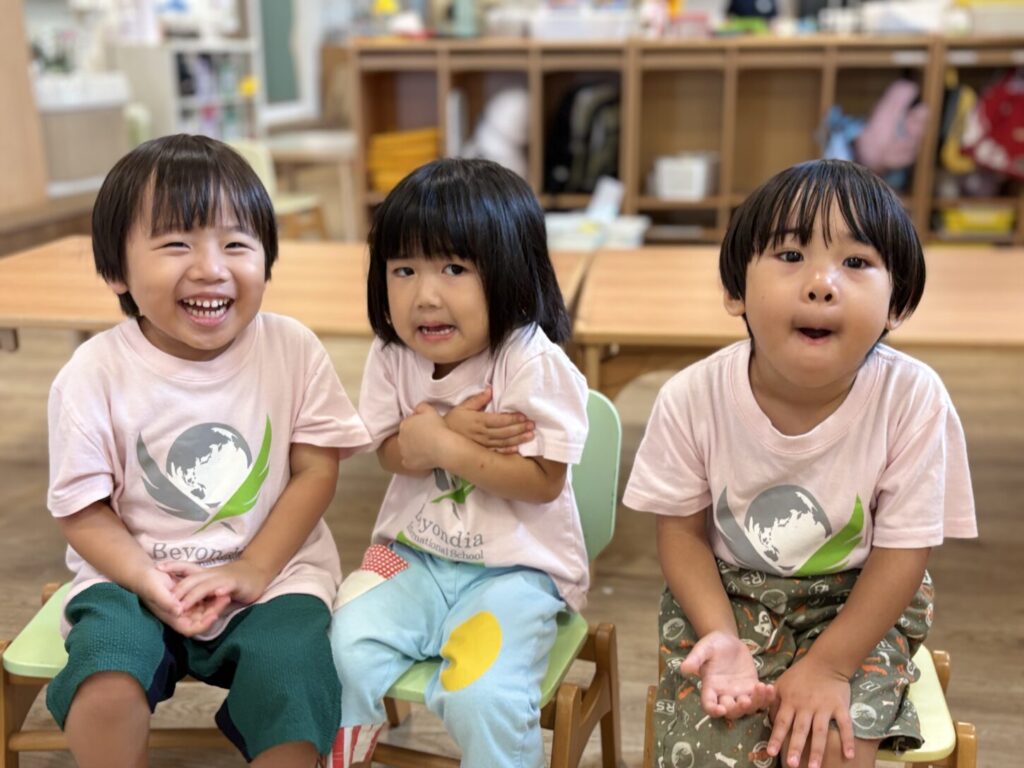
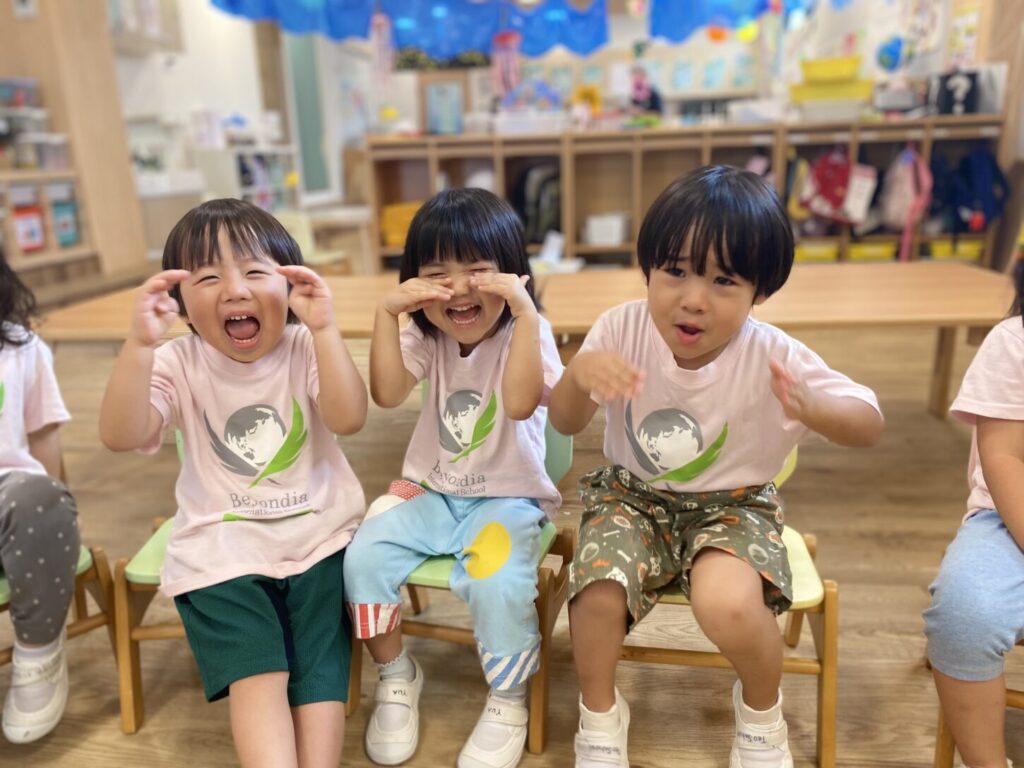
We opened the inquiry with “The Way I Feel” by Janan Cain. As each new feeling appeared in the story, the children eagerly copied the expressions and talked about emotions such as happiness, sadness, excitement, fear, shyness, and anger.
K1クラスでは、「How We Express Ourselves(私たちはどのように自分を表現するのか)」の新しい探究が始まりました。今回のテーマは、さまざまな感情と、その気持ちを伝える方法です。
最初に、Janan Cainの絵本『The Way I Feel』を読みました。物語にさまざまな感情が登場すると、子どもたちは表情をまねしながら、うれしい、悲しい、わくわくする、怖い、恥ずかしい、怒っているといった気持ちに触れていきました。
Creating Feelings with Clay | 粘土で気持ちを形に
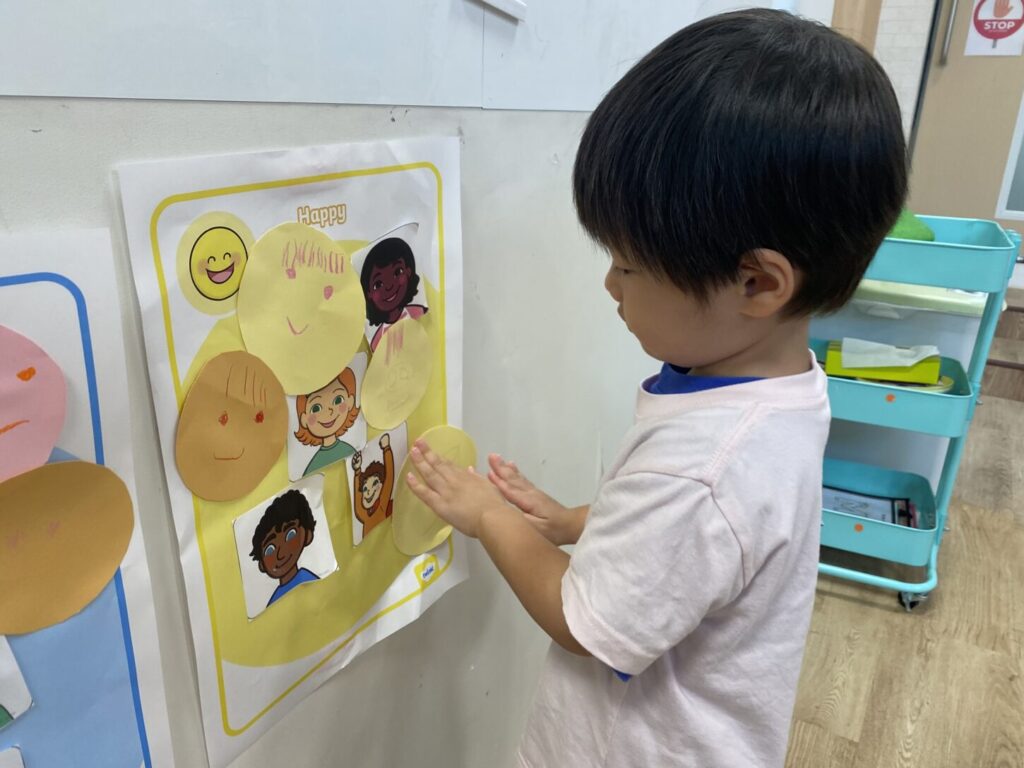
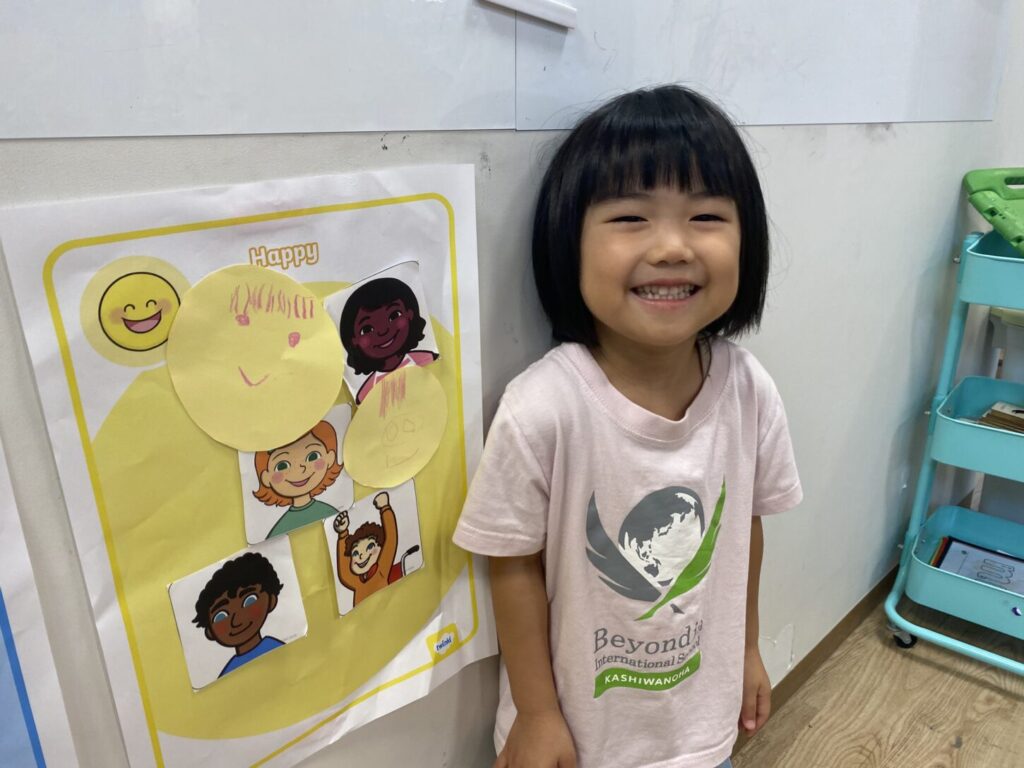
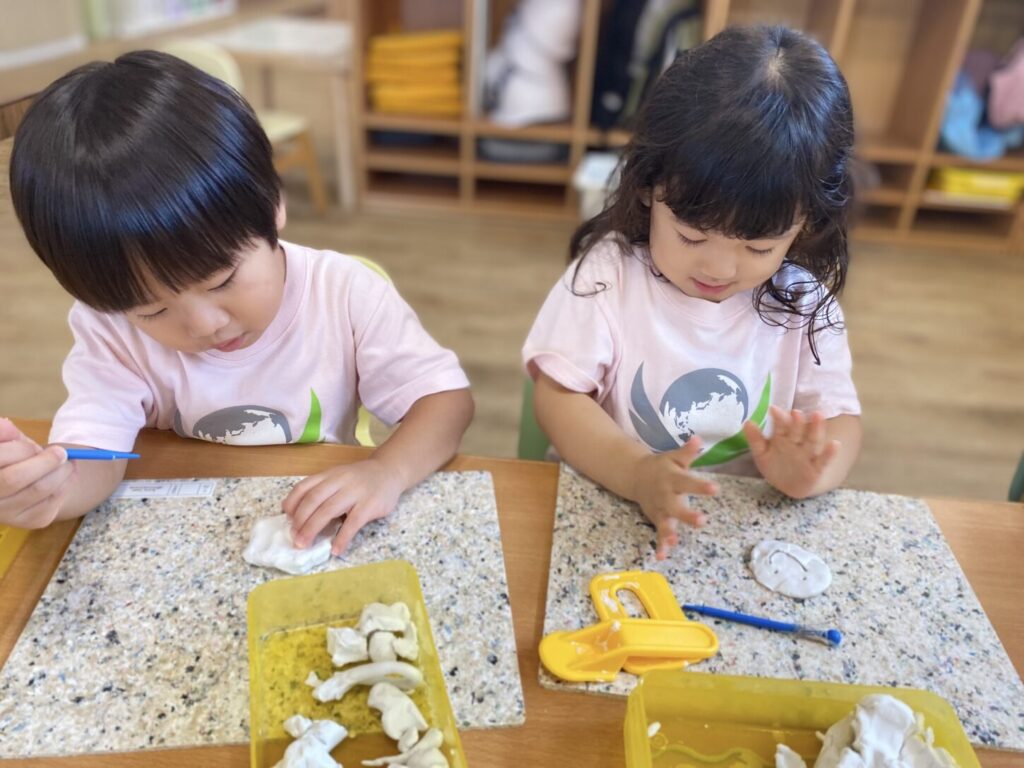
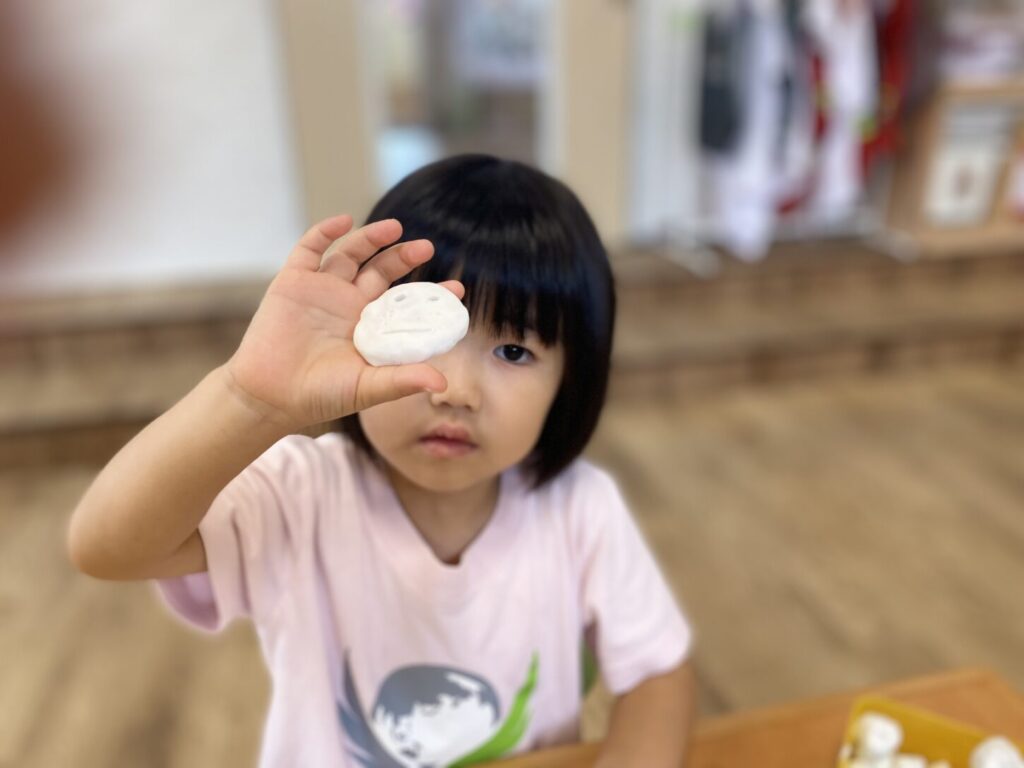
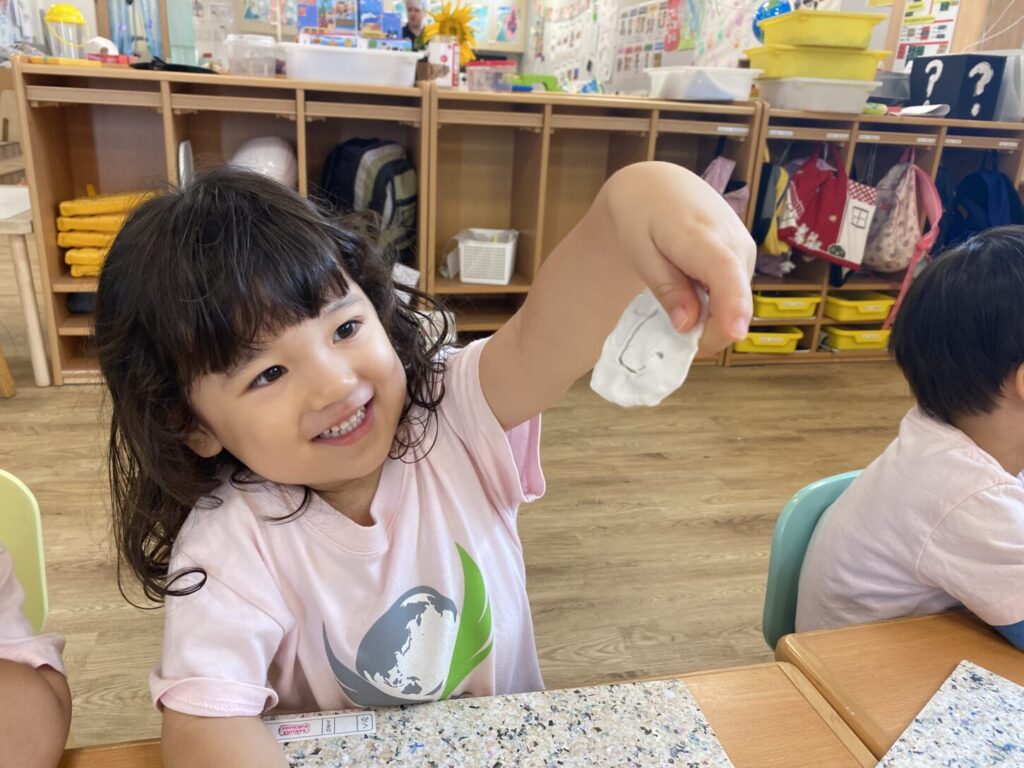
After enjoying the story, the children used clay to create faces showing different emotions. A small change to the eyes or mouth could transform a happy face into a sad, angry, or frightened one.
As they shaped the clay, the children thought carefully about what each feeling might look like. This hands-on experience gave them another way to share their ideas, even when finding the right words was difficult.
絵本を楽しんだ後は、粘土を使ってさまざまな感情の顔を作りました。目や口の形を少し変えるだけで、うれしい顔が悲しい顔や怒った顔、怖がっている顔へと変化します。
子どもたちは、それぞれの気持ちがどのような顔に表れるのかを考えながら、粘土を丁寧に形作っていました。言葉だけで伝えることが難しい気持ちも、作品を通してのびのびと表現することができました。
Expressing Emotions with Our Whole Bodies | 全身を使って気持ちを表現
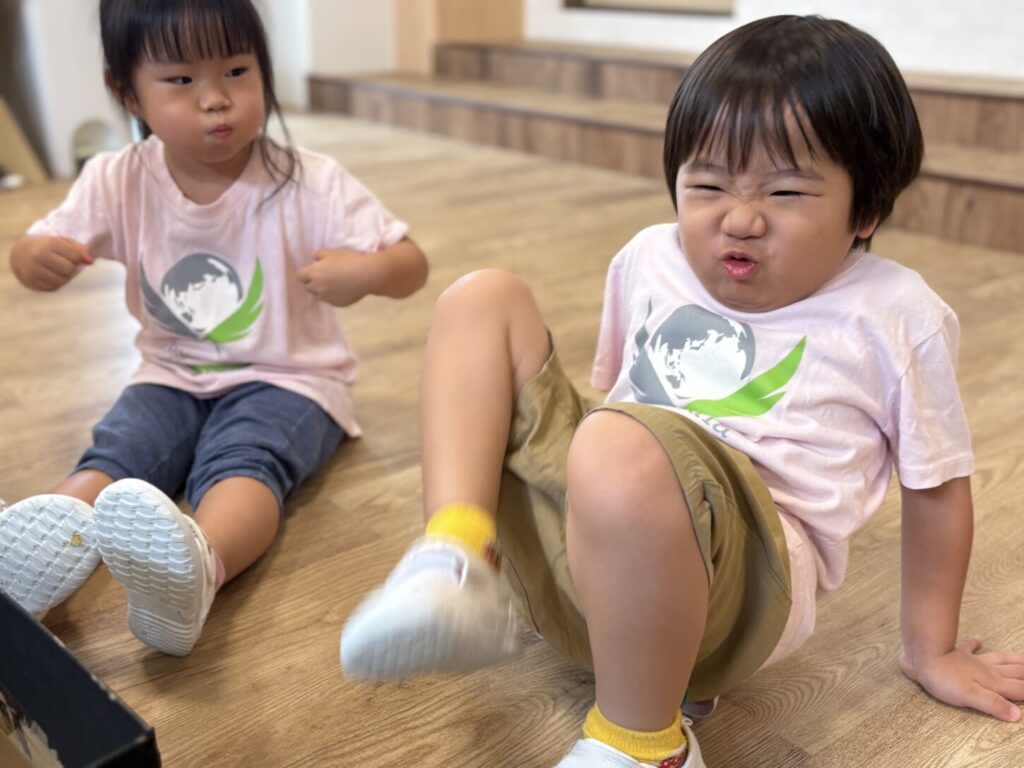
Can we show our feelings without using words? The children explored this question by focusing on four familiar emotions: happy, angry, scared, and sleepy.
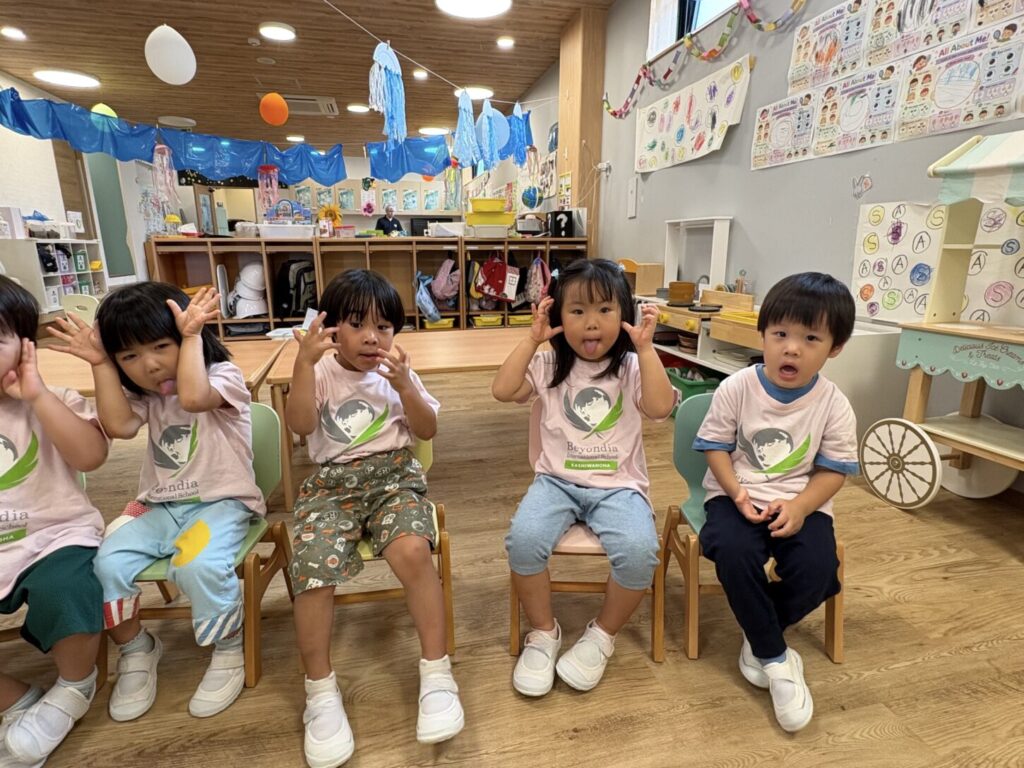
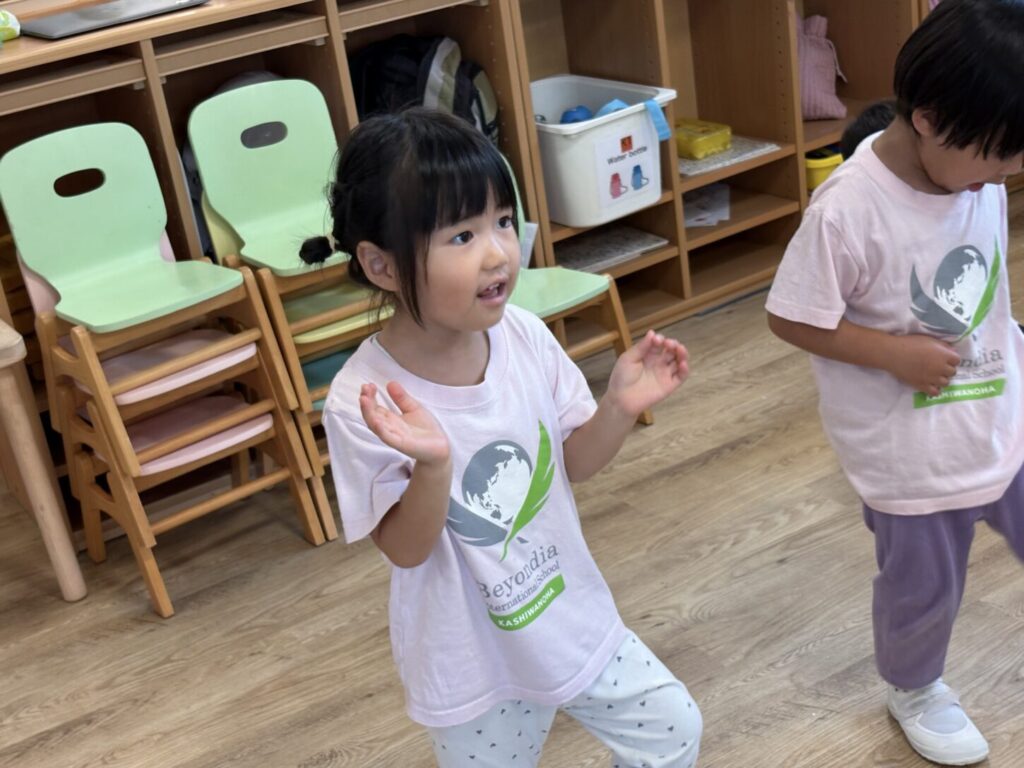
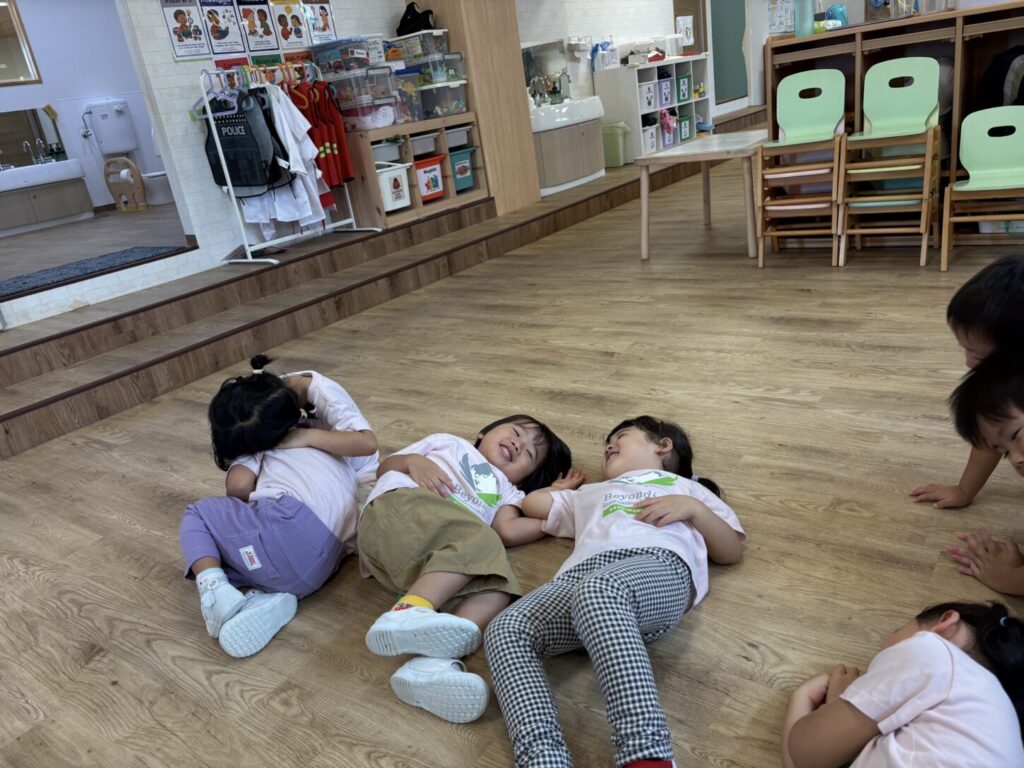
They raised their hands, cheered, and clapped to show happiness. They stomped their feet to express anger, placed their hands on their faces when pretending to be scared, and acted as though they were taking a little nap when feeling sleepy.
We also sang “If You’re Happy and You Know It,” adding different movements for each feeling. Through music and movement, the children discovered that our posture, gestures, voices, and facial expressions can all communicate how we feel.
言葉を使わなくても、気持ちを伝えることはできるのでしょうか。子どもたちは、うれしい、怒っている、怖い、眠いという身近な四つの感情を、全身で表現してみました。
うれしいときは手を上げて喜び、手をたたきます。怒っているときは足を踏み鳴らし、怖いときは顔に手を当て、眠いときは両手を合わせて頬にあて、お昼寝をするような動きを見せてくれました。
「If You’re Happy and You Know It」も、感情に合わせた動きを加えながら歌いました。音楽と体の動きを楽しむ中で、表情だけでなく、姿勢やジェスチャー、声からも気持ちを伝えられることに気づいていきました。
Looking Closely and Sharing Ideas | よく見て考え、友達と伝え合う
During our balloon and music game, the children passed a balloon around the circle. When the music stopped, the child holding it selected an emotion card and used their face and body to show the feeling while their friends tried to guess.
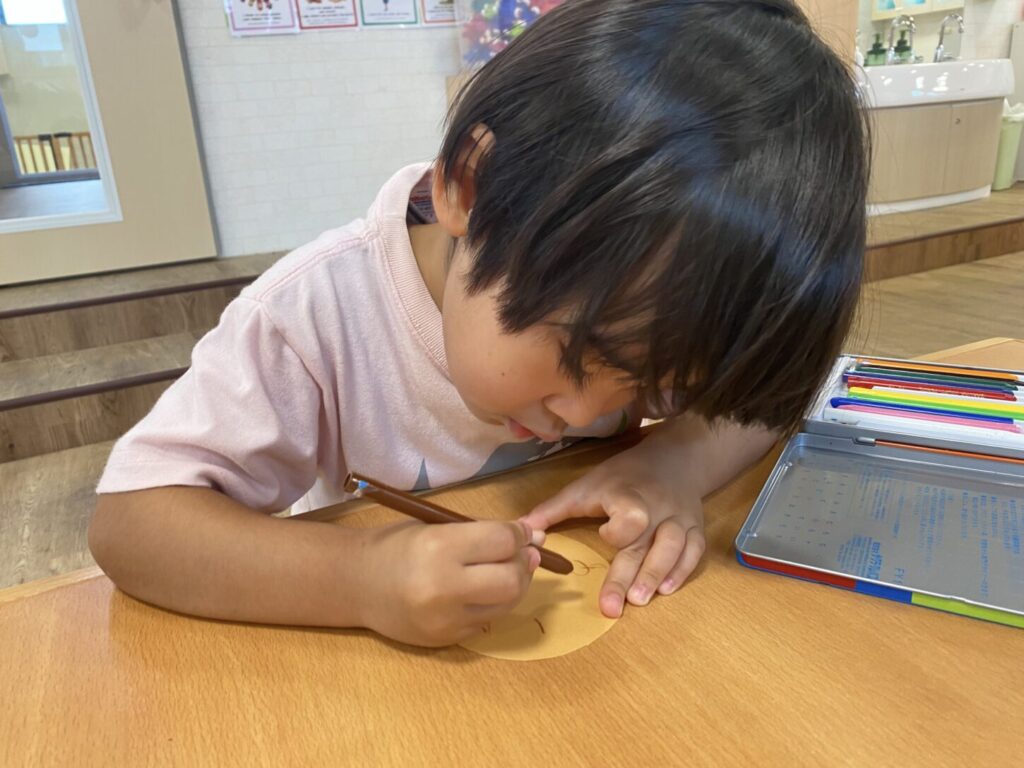
The children then looked carefully at different facial expressions and sorted them into happy, sad, and angry groups. Later, they drew their own emotion faces, using eyes, eyebrows, mouths, and teeth to add meaningful details.
Through these playful experiences, the children are learning to recognize their own feelings, notice how others may feel, and express their ideas with growing confidence. We look forward to seeing where their questions and discoveries take us next.
風船と音楽を使ったゲームでは、輪になって風船を隣の友達へ渡しました。音楽が止まったときに風船を持っていた子は、箱から感情カードを選び、顔や体を使ってその気持ちを表現します。友達もよく見ながら、どの感情なのかを楽しく考えました。
さまざまな表情の写真をよく観察し、「うれしい」「悲しい」「怒っている」のグループに分けるゲームにも挑戦しました。その後は、自分で感情を表す顔を描き、目、眉毛、口、歯などの細かな部分を工夫していました。
こうした遊びびを通して、子どもたちは自分の気持ちを知るだけでなく、相手の気持ちにも目を向け、自分の考えを少しずつ自信を持って表現しています。これからどのような疑問や発見が生まれるのか、楽しみです。